





In retail, buying the right amount of inventory at the right time is critical—not just for profitability, but for productivity. Many retailers rely on an Open‑to‑Buy (OTB) to control inventory investment, yet traditional static OTB often requires constant manual intervention as conditions change. A rolling Open‑to‑Buy transforms this process by continuously updating plans based on real performance, allowing teams to spend less time reworking numbers and more time making smarter, faster decisions.
What Is a Static Open‑to‑Buy?
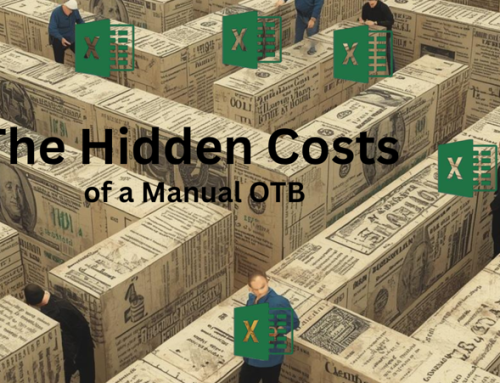
A static Open‑to‑Buy is a fixed purchasing plan created at the beginning of a season or time period. It’s based on sales forecasts, planned inventory levels, and expected markdowns, and it sets a predefined budget for how much inventory can be purchased.
Once established, a static OTB typically remains unchanged throughout the season—even if sales trend, customer demand, or market conditions shift.
While a static OTB provides structure and control, it has clear limitations:
- It relies heavily on forecasts that may become inaccurate
- It requires manual intervention to adjust
- It responds slowly to changes in demand or performance
- It can lead to overstocking, stockouts, or missed opportunities
In a retail landscape shaped by fast trends and unpredictable consumer behavior, static plans can quickly become outdated.
Why a Rolling Open‑to‑Buy Is Different
A rolling Open‑to‑Buy builds on the same core principle—managing purchasing budgets—but with one critical difference: it continuously updates. Instead of locking plans in at the start of a season, a rolling OTB adjusts as actual sales, inventory levels, and market conditions change.
This flexibility empowers retailers to make smarter, more timely decisions and reduces reliance on outdated forecasts.
The Benefits of a Rolling Open-to-Buy for Retailers:
Improved Inventory Management: With a rolling OTB, planners and buyers can maintain optimal inventory levels throughout the season. Real-time visibility into stock availability, sell-through, and demand patterns helps retailers quickly react to performance shifts—avoiding over- or under-buying, minimizing stockouts, and reducing carrying costs. The result is leaner inventory and healthier cash flow.
Enhanced Merchandise Planning: A rolling OTB empowers retailers to make knowledgeable, data-driven merchandise planning decisions. By continually analyzing sales performance and market trends, retailers can identify top-performing categories, better anticipate customer preferences, and align their assortments. This approach ensures the right products are available at the right time, improving gross margins and customer satisfaction.
Streamlined Operations with Inventory Management Software: Inventory management software, such as daVinci Retail’s solution, can boost your efficiency by automating inventory tracking, sales analysis, and reporting. Automation reduces manual work, increases accuracy, and allows demand planning teams to focus on strategic decisions instead of maintaining spreadsheets.
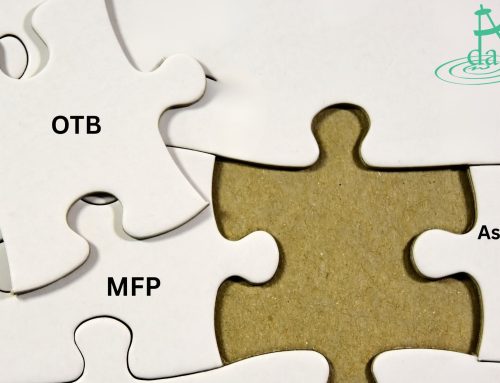
Effective Retail Planning with Retail Planning Software: Retail planning software works hand-in-hand with a rolling OTB to support forecast demand, assortment planning, and inventory allocation. Linking merchandise planning with inventory management ensures that buying decisions align with business goals and real-time market needs—driving better profitability and stronger competitiveness.
Conclusion:
A static Open‑to‑Buy may provide a starting point, but today’s apparel retailers need a more responsive approach. A rolling OTB delivers the agility required to adapt to changing demand, optimize inventory, and seize new opportunities as they arise.
With the right tools—like inventory management and retail planning software—retailers can move from reactive to proactive planning. daVinci Retail’s solutions help retailers stay agile, reduce costs, and consistently meet customer demand, setting the foundation for long-term retail success.

Related Product
daVinci Merchandise Planning
daVinci Retail’s merchandise planning solution enables retailers to build strategic financial plans which guide buy decision-making to deliver sales and margin goals.