




Why is store clustering is critical to retail success? Store clustering is no longer an optional planning technique—it’s the foundation of profitable inventory decisions. When executed correctly, clustering enables retailers to buy precisely, reduce excess inventory, increase full‑price sell‑through, and meaningfully improve margin. daVinci’s data‑driven Clustering Engine and Assortment Planning solution turn complex demand patterns into clear, confident buying decisions across all locations
The New Retail Reality: Too Much Data, Not Enough Time
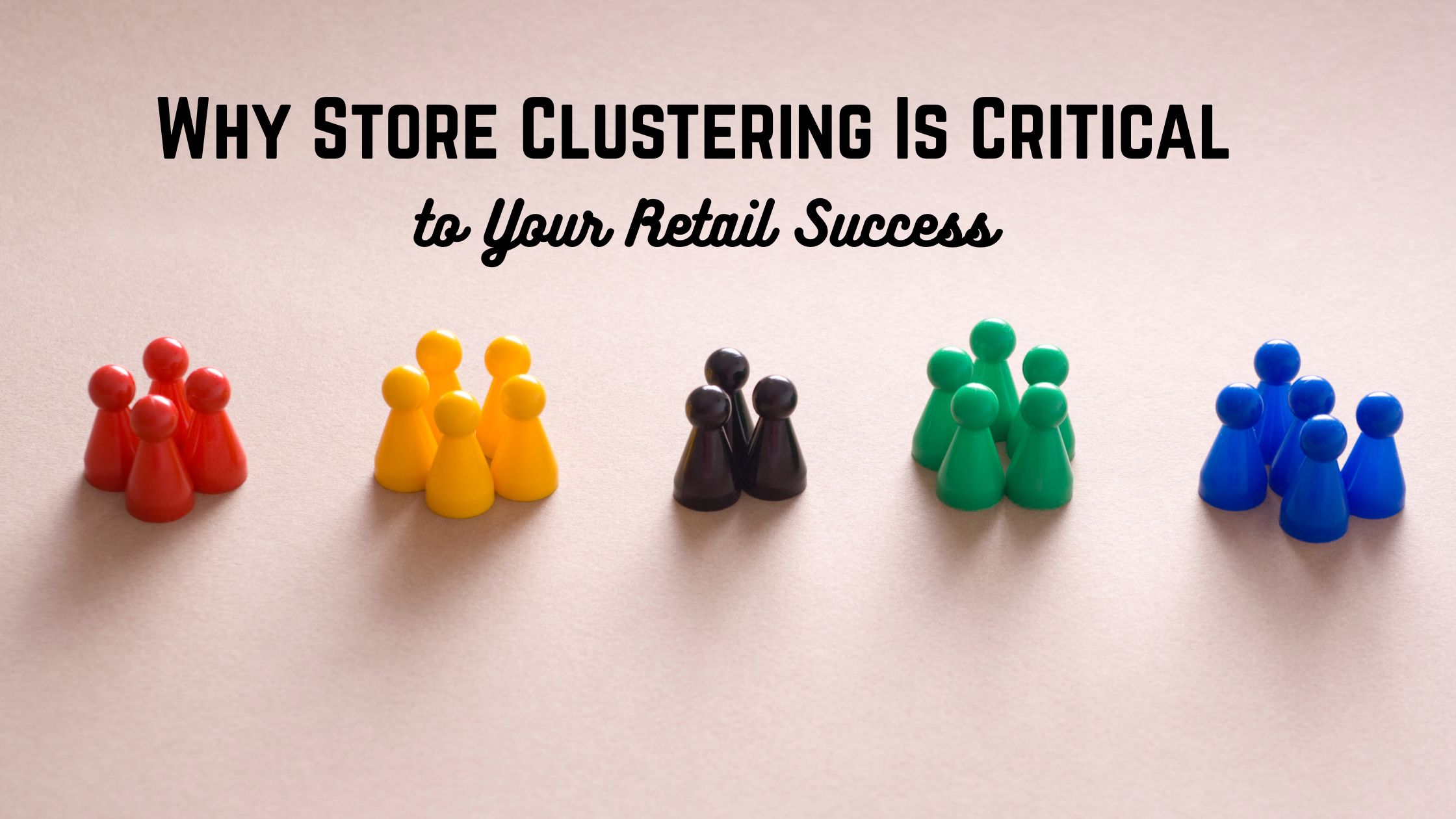
As retailers expand assortments, channels, and locations, decision complexity explodes. Human planners cannot manually evaluate the volume of signals required to make accurate store‑level decisions. Clustering groups stores by similar behavior—allowing teams to plan at the cluster level while maintaining customer‑relevant precision.
Clustering becomes mission‑critical when:
- Store counts increase
- Product categories diversify
- Omnichannel strategies add complexity
- Customer preferences vary by region, climate, or demographic
Without clustering, retailers rely on generic buy plans that overlook meaningful differences in store‑level demand—causing unnecessary margin loss and poorly aligned assortments.
Why Traditional Clustering Methods Aren’t Enough
Sales‑Volume Clustering: Useful but Limited
Most retailers begin with A/B/C/D tiering by sales volume. While helpful for allocating capacity, this approach assumes that an “A” store in Brooklyn behaves like an “A” store in Beverly Hills—which is rarely true.
Location or Channel Clustering: Still Too Broad
Clustering by store size or separating e‑commerce from stores helps optimize physical constraints, but it fails to capture product‑level customer preferences.
Demand‑Based Clustering: The Gold Standard for Modern Retail
The most successful retailers now cluster stores by customer demand signals—indexing locations by product‑class performance and grouping stores with similar buying patterns. This method reveals surprising affinities between markets and enables precision planning at the category level.
With demand‑based clustering, a single location might be:
- A for Denim
- C for Dresses
- D for Boots
- B for Knit Tops
Clustering delivers localized assortments without overwhelming planners. Instead of building a separate buy worksheet for every store, merchants plan once per cluster. The system then applies the right quantities across all stores in that cluster automatically.
How daVinci Makes Clustering Operational (Not Theoretical)
daVinci Clustering Engine
daVinci’s Clustering application uses embedded science and automation to produce clusters built from:
- Product attributes
- Location & seasonality
- Customer attributes
- Sales $ / units / gross margin metrics
The engine can:
- Generate your chosen number of clusters or
- Automatically determine the mathematically optimal cluster count
Direct Integration Into Assortment Planning
Cluster assignments flow directly into daVinci Assortment Planning, allowing merchants to tailor buys at the appropriate product level—before purchase orders are cut.
This creates:
- Highly accurate buy quantities
- Improved allocation clarity
- Better sell‑through and margin
The Financial Proof: $40M in Misallocated Buys Corrected
In a leading women’s apparel retailer, daVinci’s Clustering Engine identified $40 million in misallocated buy dollars—inventory being purchased for the wrong stores and categories. After re‑clustering and feeding results into Assortment Planning, buying strategy realigned to actual store‑level demand, improving sell‑through and reducing markdown exposure.
Where Retailers See Measurable Savings
1. Reduced Inventory Liability
Demand‑based clusters reduce overbuying and improve sales per inventory dollar.
2. Lower Markdown Rates
Better product‑to‑store matching means higher full‑price sell‑through and fewer end‑of‑season clearances.
3. Reduced Planning Workload
Teams spend less time wrangling spreadsheets and more time making strategic decisions.
4. Improved Customer Fit
Products land where customers actually want them—improving conversion and attachment rates.
This is why store clustering is critical to retail sucess.
Ready to See Your Clustering Opportunity?
Download the Case Study
See how daVinci uncovered $40M in misplaced buy dollars:
👉 Download Now
Related Product
daVinci Assortment Planning
daVinci’s Assortment Planning solution gives merchants the power to tailor buys by the customer to improve sell-thru and ensure each assortment is profitable from the start.